Hermes multi-gateway connections let the Hermes desktop app hold a registry of every gateway you run — your local machine, remote servers over LAN or Tailscale, Hermes Cloud instances and SSH hosts — and switch between them without re-entering credentials, with your place restored on reconnect. "Persistent Multi-Gateway Connections" was one of the headline bullets in Nous Research founder Teknium's launch post for Hermes Agent v0.21.0 on 31 August 2026, and it matters because serious Hermes setups stopped being single-machine affairs a while ago: a laptop for interactive work plus a VPS that never sleeps is now the default architecture for anyone running agents commercially.
📺 Watch: NEW Hermes Agent Update Changes Everything!
🔥 Get the Agent OS as a free bonus: AI Profit Boardroom members get the full Agent OS zip, prompt libraries, daily tutorials and weekly live coaching calls. → Get inside · Want AI SEO help 1-on-1? Book a free SEO strategy session →
The details below come from the official Hermes desktop documentation (accessed 2 September 2026), the v0.21.0 release notes published on GitHub on 31 August 2026, and Teknium's launch announcement of the same date. Here is what the feature does, how to set it up and where its current limits sit.
Hermes Multi-Gateway Connections: What Shipped in v0.21.0
The centre of the feature is a named gateway registry. Per the official docs, Settings → Gateways "manages a named list of every Hermes gateway the app knows about — the local runtime, any number of remote gateways (LAN, Tailscale, internet), Hermes Cloud instances, and SSH hosts". Each entry gets a unique device name — the docs suggest the likes of "Homelab" or "Work laptop" — and once more than one gateway is registered, a gateway selector appears in the app for jumping between them.
Persistence shows up in three documented behaviours:
- Credentials survive restarts. Tokens for remote backends are "stored encrypted with the OS keyring", with an explicit plain-text opt-in only on Linux systems without a keyring. Register a gateway once and it stays registered.
- Launch behaviour is configurable. "Open on launch" either keeps the backward-compatible Primary gateway default or resumes the last used gateway after it connects successfully — so the app reopens where you were working.
- Reconnects are lossless. The v0.21.0 release notes list "seq-stamped event replay — lossless desktop reconnect over WebSocket", meaning a dropped connection replays what you missed instead of leaving a gap, plus a new gateway control socket that lets tooling query a gateway's identity and status directly and lets updaters pause gateways gracefully.
One naming detail worth knowing: when the same agent profile exists on several gateways, Hermes disambiguates with handles in the form @profile-device — @research-homelab versus @research-worklaptop — so cross-agent messaging always addresses exactly the instance you meant. That handle scheme is the same one used by the bot-to-bot messaging we covered in the hermes peer command guide.
If you want a proven laptop-plus-VPS agent architecture instead of assembling one by trial and error, check out the AI Profit Boardroom → see the full setup guides inside. Want your stack reviewed 1-on-1? Book a free SEO strategy session with Julian's team.
Why Multiple Gateways Beat One Big Machine
The registry is plumbing; the payoff is operational. Three patterns it unlocks:
- The always-on split. Keep interactive sessions local for speed and privacy, and park scheduled work — monitoring, publishing, research runs — on a cheap VPS gateway that never closes its lid. Your Hermes cron jobs live on the server; your experiments live on the laptop; the desktop app sees both.
- Environment isolation. A client's agents, credentials and files on their own gateway means one connection dropdown separates client work from personal projects — cleaner than juggling profiles on one machine, and easier to hand over or shut down.
- Hardware matching. A GPU box for local-model inference, a tiny cloud instance for API-backed agents, your Mac for daily driving — each registered once, each reachable in two clicks.
The docs are clear about the model's requirement: "the remote backend is a running hermes serve process". The desktop app connects to gateways; it does not start them for you. Standing up the VPS side — installing Hermes, running the serve process, pointing a workspace at it — is the same server setup covered in the Hermes workspace guide.
The Current Limitation: One Gateway at a Time
Honest caveat: multi-gateway is about persistent registration and fast switching, not simultaneous split-screen. Sessions connect to one gateway at a time, and the docs describe a selector, not tabs. A browser-style layout — every gateway in its own tab with connection state and activity visible at once — exists as an open enhancement request on the Hermes GitHub (issue 45779), currently labelled low-priority with no linked implementation. If you manage several machines and want one pane of glass, you are switching between them for now; what v0.21.0 guarantees is that each switch is instant, authenticated and lossless rather than a fresh login and a cold reconnect.
Security-wise, the keyring-encrypted token storage matters more than it looks: multi-gateway setups multiply stored credentials, and v0.21.0's broader hardening pass — covered in our Hermes prompt injection protection breakdown — landed alongside a redaction sweep aimed at keeping secrets out of terminal errors and logs, per the release notes.
📺 Watch: New Hermes Agent Update is SCARY GOOD!
Setting Up a Second Gateway, Step by Step
The documented path from one machine to a connected fleet:
- Stand up the backend. On the server, install Hermes and get a hermes serve process running — over Tailscale if you want the connection off the public internet, or SSH if that is your access route.
- Register it. Desktop app → Settings → Gateways → add the address, and give it a unique device name you will still recognise in six months.
- Authenticate once. The token goes into the OS keyring; you will not be typing it again.
- Set launch behaviour. Choose whether the app opens on your Primary gateway or resumes the last used one.
- Name-check your profiles. If the same profile exists on both machines, note the @profile-device handles so scheduled messages and bot-to-bot traffic target the right instance.
What Multi-Gateway Changes About the Cost Side
There is a quiet economic argument buried in this feature. Before persistent multi-gateway support, the friction of juggling connections nudged people towards one over-specced machine that did everything — a box big enough for local inference, always on, doing interactive and scheduled work alike. A registry that makes switching free lets you split that spend properly: a modest VPS at a few pounds a month carries the always-on scheduled load, your existing laptop carries the interactive sessions at no extra cost, and a GPU machine only enters the picture if local models genuinely earn their keep for your workloads. For most agent businesses the result is a cheaper fleet than the single big server, with the added resilience that no single machine failure takes down both your experiments and your production jobs. The lossless-reconnect work matters here too — a flaky home connection to a rock-solid VPS is now a perfectly workable production setup, because the desktop dropping offline does not interrupt the gateway doing the work.
Good Habits for a Multi-Gateway Setup
A few practices keep hermes multi-gateway connections boring in the best way as your fleet grows:
- Name gateways for the hardware, not the project. Device names are permanent identifiers baked into @profile-device handles, so "Homelab" and "Hetzner-1" age better than "ClientX-server" — projects move between machines; the handle should not have to.
- Keep the serve process supervised. The desktop app reconnects losslessly, but only to a backend that is actually up. Run hermes serve under your server's normal service supervision so a reboot brings the gateway back without a manual SSH session.
- Check status before you debug. The new gateway control socket exists precisely so tooling can ask a gateway to identify itself and report status — when a connection misbehaves, establish whether the backend is healthy before touching the desktop side.
- Mind the update order. The release notes mention updaters now pause gateways gracefully rather than killing the process tree; still, updating the machine that runs your scheduled jobs mid-run is worth avoiding. Update the idle gateway first, switch over, then update the other.
- Audit the registry occasionally. Every registered gateway is a stored credential. When a server is retired, remove its entry rather than leaving a dead name resolving to nothing — smallest possible attack surface, per the same hardening logic as the rest of v0.21.0.
From there, the multi-machine patterns compound with the rest of v0.21.0 — the full picture is in our Hermes v0.21 Pantheon release overview — and the Agent OS resource covers how to standardise agent instructions across machines so that the same brain behaves identically wherever it runs. If you are still deciding which models to run behind those gateways, the Goldie Bench write-up covers how the current contenders compare in hands-on tests, and for switching model backends on the coding side there is a similar pattern in the CC Switch for Claude Code guide.
If you want the full always-on agent architecture — VPS configs, cron setups and the monetisation systems to justify them — check out the AI Profit Boardroom → get inside the Boardroom. Or start with a conversation: book a free SEO strategy session and map your setup with Julian's team.
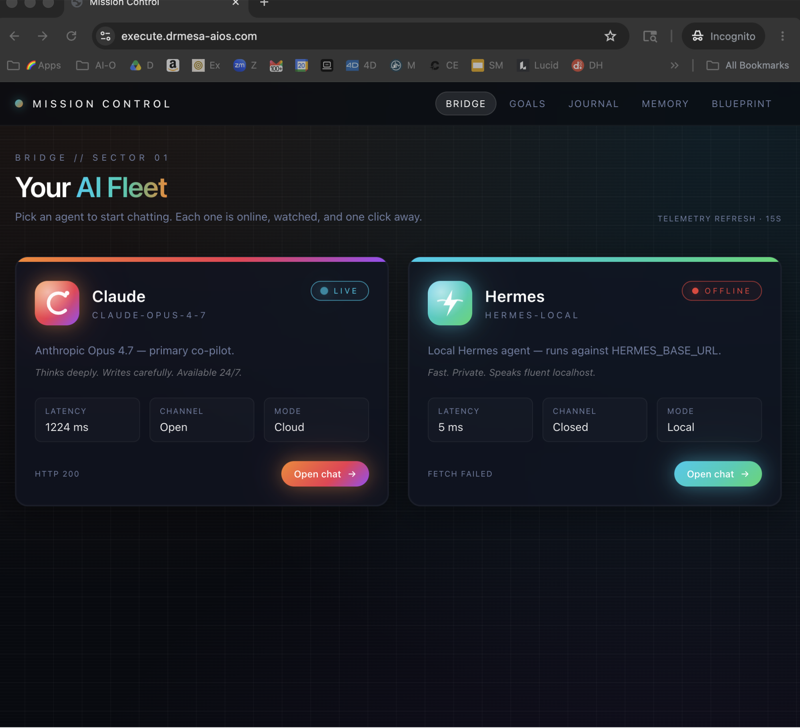
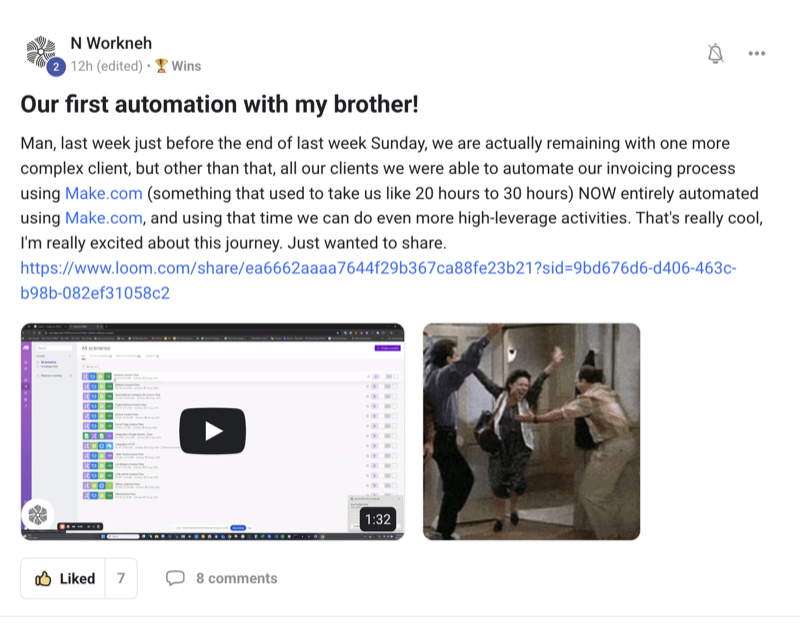
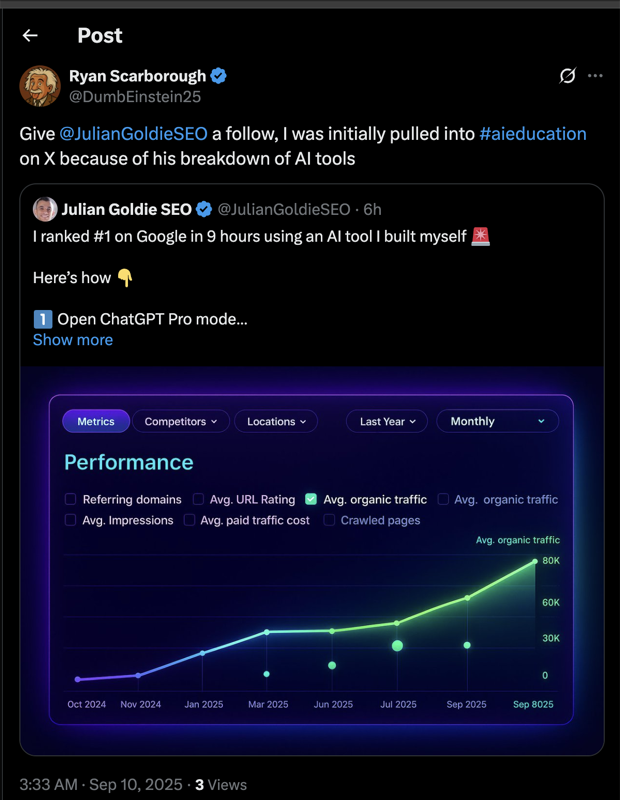
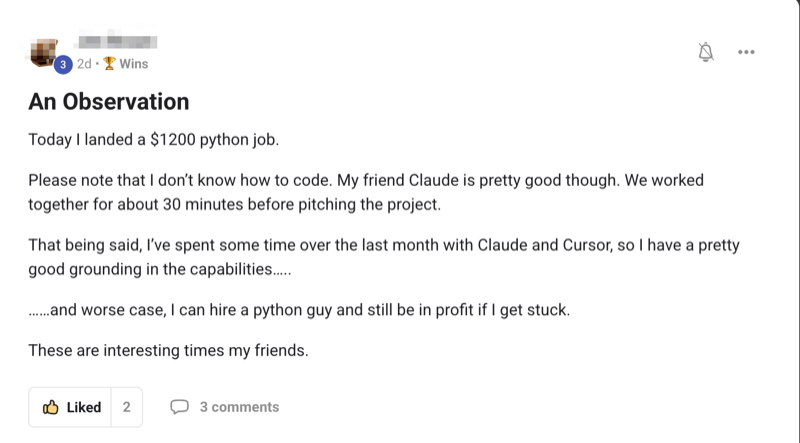
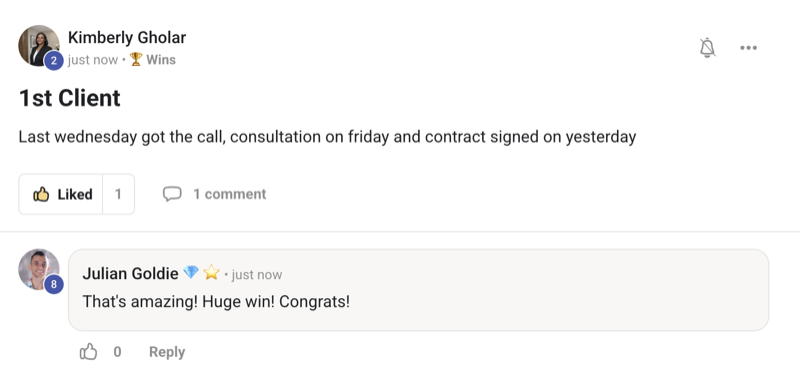
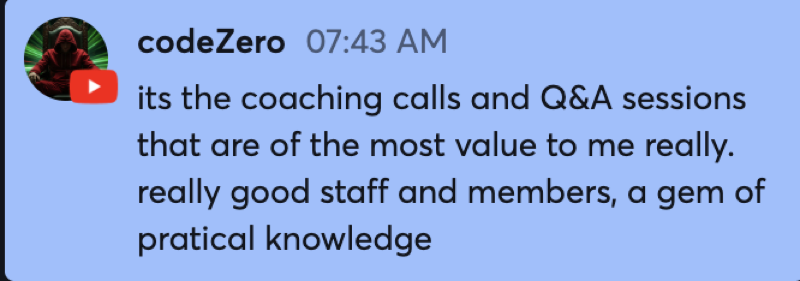
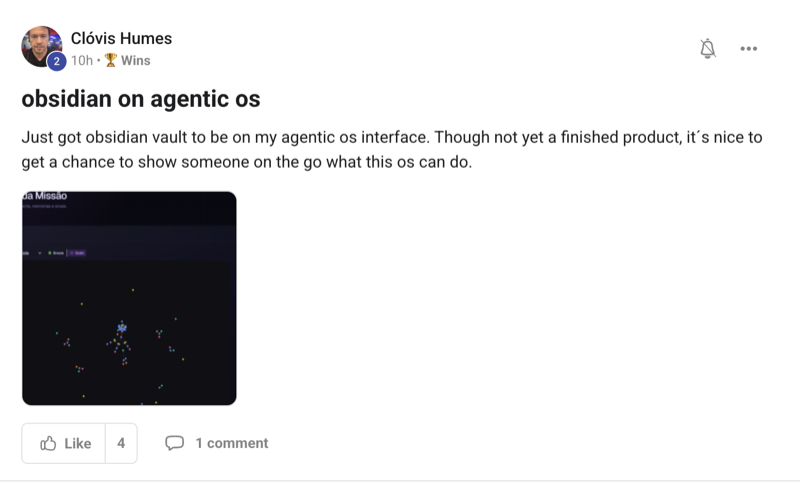
Real wins from inside the AI Profit Boardroom
See all 3,000+ members →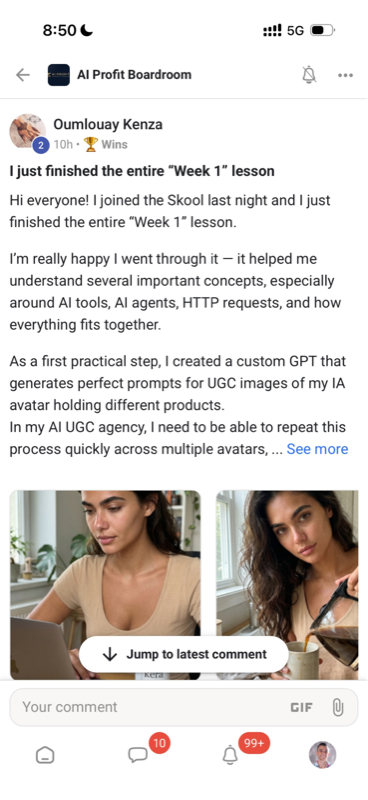



Ready To Join The #1 AI Community?
Join 3,600+ entrepreneurs inside the AI Profit Boardroom. Get 1,000+ plug-and-play AI agent workflows, daily coaching, and a community that holds you accountable.
Join The AI Community →7-Day No-Questions Refund • Cancel Anytime

Wait — before you leave
Get the entire AI Profit Stack for $59/mo locked
- 🎯 1,000+ done-for-you AI agent workflows
- 📅 5 live coaching calls per week with me
- 👥 3,000+ AI operators inside
- 🛡️ 7-day refund + 30-day ROI guarantee