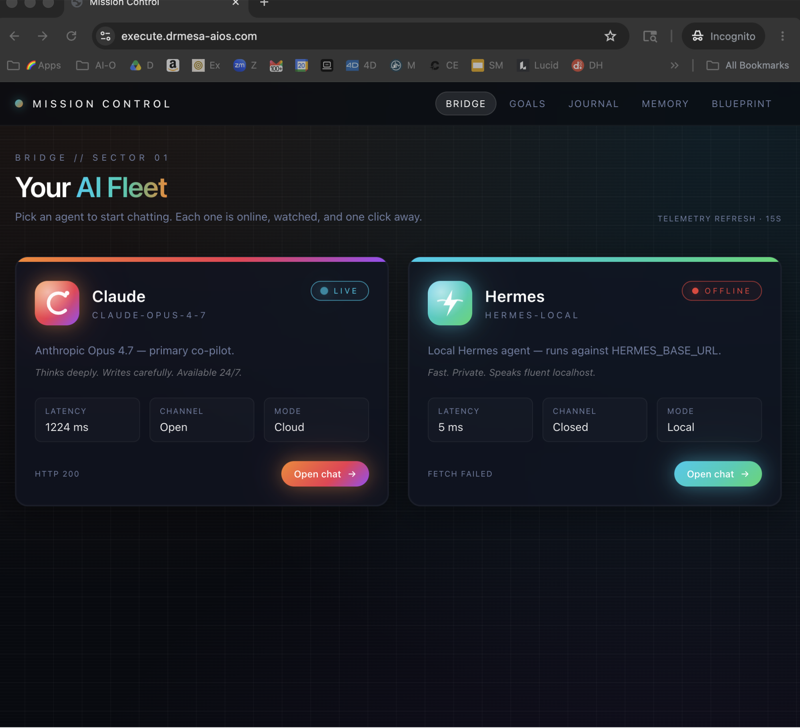
Hermes Agent can now talk to other AI agents directly: hermes a2a protocol support arrives through an official A2A plugin that lets your agent discover, call and be called by any agent speaking the open Agent2Agent protocol, and it works in both directions out of the box. According to the official Hermes Agent documentation from Nous Research, the plugin implements A2A v1.0 — the open Agent2Agent standard stewarded by the Linux Foundation — so your Hermes can hand tasks to a LangChain agent, a CrewAI crew, a Google ADK agent, another Hermes on a different machine, or anything built on the official a2a-sdk. This lands alongside the v0.21.5 release (v2026.9.24, published 24 September 2026 per the official GitHub release notes), which rolled roughly 460 merged pull requests into a stable tag.
📺 Watch: Hermes AI Agent Now Has Its Own Computer
🔥 Get the Agent OS as a free bonus: AI Profit Boardroom members get the full Agent OS zip, prompt libraries, daily tutorials and weekly live coaching calls. → Get inside · Want AI SEO help 1-on-1? Book a free SEO strategy session →
What Hermes A2A Protocol Support Actually Does
The short version: A2A turns your agent from a solo worker into a networked one. The Hermes A2A plugin is bidirectional. Outbound, Hermes can invoke other A2A-compliant agents as tools, the same way it calls a web search or a file tool. Inbound, other agents can send tasks to your Hermes over HTTP, and it answers like a proper service. That second direction is the underrated half — it means the agent you have already configured with its own memory system, tools and credentials becomes a callable specialist that other systems can delegate to.
If you have been wiring agents together with brittle webhooks or copy-paste relays, this is the standardised replacement. Every A2A agent publishes an Agent Card — a machine-readable profile advertising the skills it offers, such as web_search, research or coding — and peers use those cards to decide who gets which task.
The Five Outbound A2A Tools In Hermes
Per the official A2A documentation, Hermes ships five tools for talking to remote agents. Ranked by how often you will realistically reach for them:
- a2a_call(agent, message, context_id) — the workhorse. Send a task to a named peer and get the reply. Passing a context_id keeps a multi-turn conversation going with the same peer.
- a2a_discover(url) — point it at a peer's address and it fetches and summarises that agent's Agent Card, so Hermes knows what the peer can do before delegating.
- a2a_orchestrate(capability, message, mode) — fan one task out to every configured peer advertising a capability. Mode accepts all, first or best, so you can broadcast, race, or pick the strongest answer.
- a2a_list() — shows your configured peers, saved conversations and metrics.
- a2a_history(context_id) — recalls a persisted conversation with a peer, useful when a delegation thread spans days.
The orchestrate tool is the one that changes architectures. Instead of hand-building routing logic, you let peers advertise capabilities on their Agent Cards and fan work out by capability name — the same swarm thinking behind the preset roles covered in the Hermes Swarm guide, extended across machines and frameworks.
How To Enable Hermes A2A Protocol Support
Setup is deliberately simple. The documented path is to run the hermes gateway setup command and pick A2A from the platform list. Alternatively, you can enable the a2a platform directly in the gateway section of your Hermes config file, where it defaults to port 9900. After that, you switch the toolset on per platform with the hermes tools enable a2a command, passing a platform flag for cli, telegram or a2a itself, depending on where you want the tools available. If you are new to the stack, sort the basics first with the Hermes Agent setup guide before layering A2A on top.
Once the inbound side is live, Hermes exposes three things: an Agent Card served at the well-known agent-card.json path, a JSON-RPC 2.0 endpoint for tasks, and SSE streaming for streaming replies. It also supports push notifications signed with HMAC-SHA256, so long-running tasks can call back rather than forcing peers to poll.
If you want a working multi-agent stack without spending weeks reverse-engineering docs, the AI Profit Boardroom includes the full Agent OS zip, prompt libraries, daily tutorials and weekly live coaching calls — check out the AI Profit Boardroom here. Want 1-on-1 help applying agents to your SEO and content pipeline instead? Book a free SEO strategy session.
Security: The Part Most A2A Write-Ups Skip
Opening your agent to inbound tasks from other agents is exactly the kind of thing that goes wrong when done casually, and the Hermes A2A documentation is unusually explicit about the guard rails. The defaults are conservative: with no bearer token set, the inbound server binds to localhost only, so nothing outside your machine can reach it. To expose Hermes remotely you must set a bearer token, and you can go further with per-peer tokens so each peer authenticates individually.
On top of authentication, the plugin filters inbound text for prompt-injection attempts, scrubs credentials from outbound replies, and writes an audit log of A2A traffic to a dedicated JSONL file in your Hermes home directory. There is also anti-loop protection: a maximum ping-pong turns setting (default 5, capped at 20 per context) stops two agents politely delegating to each other forever. Rate limiting defaults to 60 requests per minute per identity, and the reply timeout defaults to 300 seconds. These are sensible defaults you can tighten for production.
Hermes A2A vs MCP: Which Bridge Do You Need?
Hermes already speaks MCP, and the two protocols solve different problems. The Hermes MCP server exposes Hermes as a tool that MCP clients — such as coding assistants — can call inside their own session. A2A, by contrast, is peer-to-peer between full agents: each side keeps its own memory, tools and credentials, and they exchange tasks rather than tool calls.
| Question | MCP | A2A |
|---|---|---|
| Who talks to Hermes? | A client app using tools | Another autonomous agent |
| State | Lives in the client session | Each agent keeps its own memory |
| Best for | Adding Hermes to a coding client | Delegation between independent agents |
| Discovery | Configured server list | Agent Cards advertising skills |
Practical rule: use MCP when a client application should drive Hermes, and use A2A when two or more agents should collaborate as equals. Plenty of stacks will run both, and the newer Connectors experience covered in the Hermes Connectors page guide makes managing those integrations far less painful than the old MCP tab.
What You Can Build With Hermes A2A Protocol Support Today
The documentation highlights three patterns worth stealing. First, cross-machine Hermes: your desktop agent hands heavy tasks to a Hermes on a server, each with independent memory and credentials — a natural fit if your server bot already does computer use or long-running web research. Second, specialist delegation: discover agents that advertise skills like research or coding on their Agent Cards and route work to whoever is best equipped. Third, Hermes as a microservice: expose your tuned agent so other frameworks in your business — LangChain pipelines, CrewAI crews — can call it without knowing anything about Hermes internals.
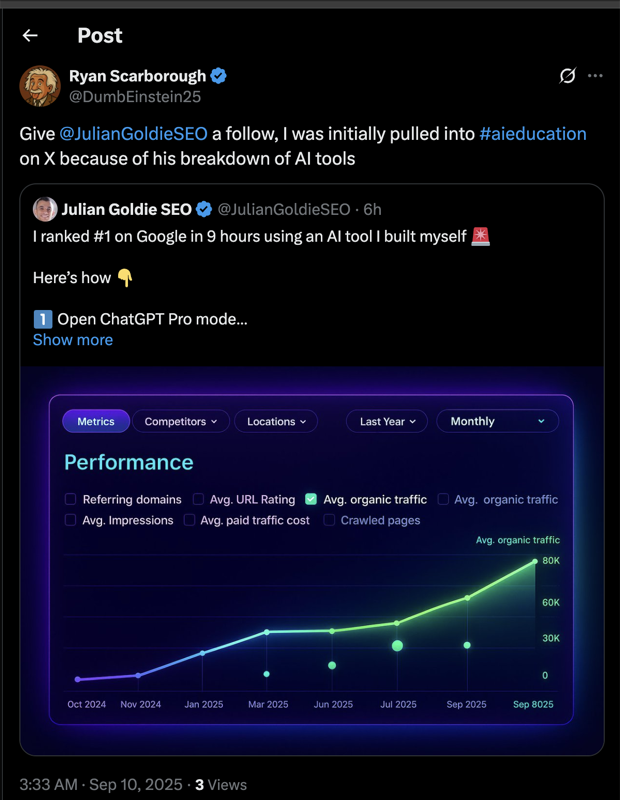
If you run your agent operation on structured playbooks, this slots straight into the Agent OS approach — A2A simply becomes the transport between the roles you have already defined. And before you decide which model should sit behind each peer, the Goldie Bench write-up covers how the current agent brains compare in hands-on tests, which matters more than usual once agents start delegating to each other.
The Catches To Know Before You Ship
- A2A is only as good as its peers. a2a_orchestrate in best mode still depends on peers honestly advertising capabilities on their Agent Cards. Treat third-party cards as claims, not guarantees.
- Inbound tasks are untrusted input. The built-in prompt-injection filtering is a layer, not a licence to skip your own review of what an exposed agent is allowed to do.
- Loops cost money. The default cap of 5 ping-pong turns per context exists because two capable agents can burn tokens fast. Raise it deliberately, not by default.
- Feature velocity is high. The v0.21.5 tag consolidated around 460 pull requests in three days' worth of merges, and Nous Research has said fuller curated notes ship with v0.22.0 — expect the A2A surface to keep moving.
Verdict: Should You Turn It On?
Yes, if you run more than one agent or want your Hermes callable from other tooling — hermes a2a protocol support is the cleanest interoperability story the ecosystem has had, because it is a real standard rather than another bespoke bridge. Start with outbound only: configure one peer, test a2a_discover and a2a_call, and leave the inbound server on localhost until you genuinely need remote access, then add a bearer token and per-peer tokens before exposing anything. The security defaults are good, the tool surface is small enough to learn in an afternoon, and the payoff is an agent stack that composes instead of collides.
If you want agent-to-agent workflows that actually produce income instead of demos, check out the AI Profit Boardroom — the full Agent OS bonus, 1,000+ done-for-you workflows and weekly live coaching are inside: join the AI Profit Boardroom. And if you would rather map your AI SEO plan 1-on-1 first, book a free SEO strategy session.
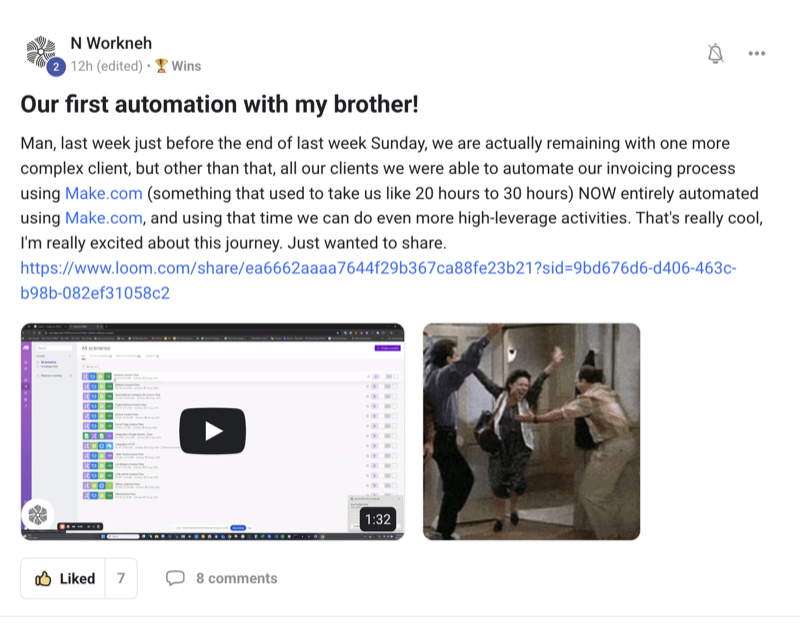
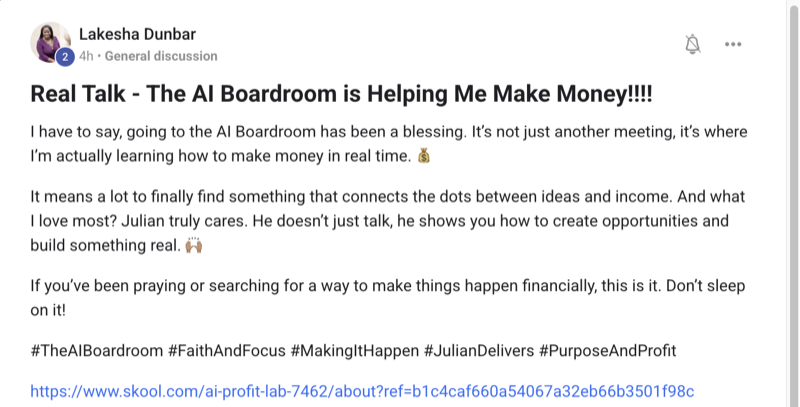
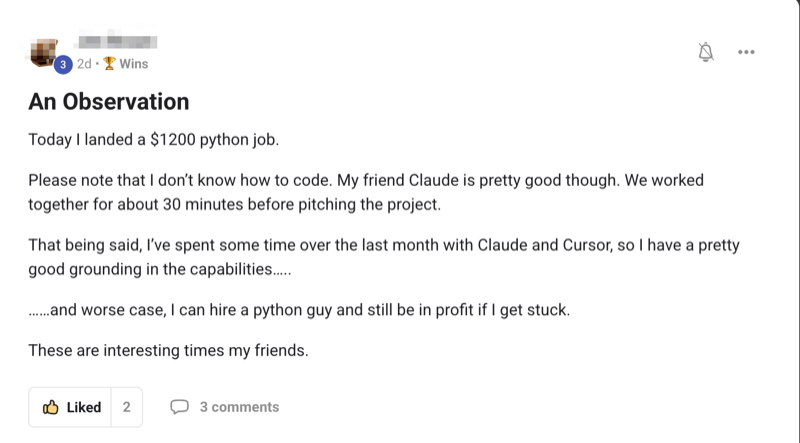
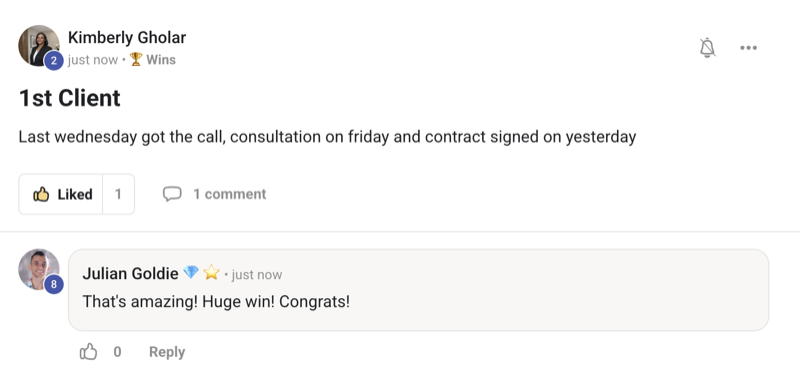
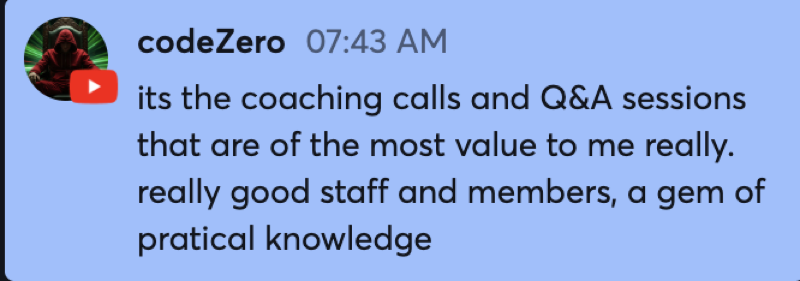
Real wins from inside the AI Profit Boardroom
See all 3,000+ members →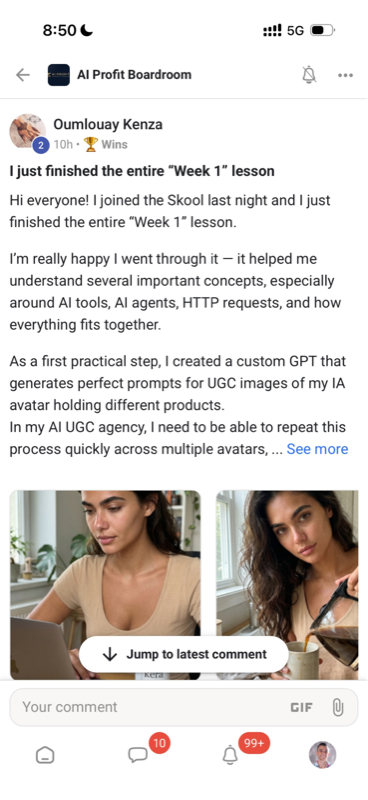


Ready To Join The #1 AI Community?
Join 3,600+ entrepreneurs inside the AI Profit Boardroom. Get 1,000+ plug-and-play AI agent workflows, daily coaching, and a community that holds you accountable.
Join The AI Community →7-Day No-Questions Refund • Cancel Anytime

Wait — before you leave
Get the entire AI Profit Stack for $69/mo locked
- 🎯 1,000+ done-for-you AI agent workflows
- 📅 5 live coaching calls per week with me
- 👥 3,000+ AI operators inside
- 🛡️ 7-day refund + 30-day ROI guarantee