To use the Hermes Agent command palette, update to Hermes Agent v0.21.0, open the CLI and press Ctrl+P — the new fuzzy palette opens, and typing a few characters of any command jumps straight to it, no memorising the full slash-command list. It shipped in the v0.21.0 Pantheon release, published on GitHub by Nous Research on 31 August 2026, alongside a fuzzy /model picker, a smarter /status readout and an optional live status bar — below is what each one does and where the official release notes say they live.
📺 Watch: NEW Hermes Agent Update is AMAZING!
🔥 Get the Agent OS as a free bonus: AI Profit Boardroom members get the full Agent OS zip, prompt libraries, daily tutorials and weekly live coaching calls. → Get inside · Want AI SEO help 1-on-1? Book a free SEO strategy session →
What The Hermes Agent Command Palette Actually Is
The command palette is a searchable overlay for the Hermes CLI. Instead of typing a full slash command from memory, you press Ctrl+P and get a fuzzy finder over everything the CLI can do. Fuzzy matching means you do not need the exact name: a fragment like "stat" or "mod" is enough to surface the right command, in the same way editors such as VS Code let you find files with a couple of keystrokes.
The v0.21.0 release notes list the palette under CLI enhancements, describing a "Ctrl+P fuzzy command palette" alongside a fuzzy /model picker and richer /status output. That grouping tells you what the feature is for. Hermes has grown quickly through 2026, and the surface area of the CLI has grown with it: model switching, memory controls, subagent delegation, MCP management and more. A palette collapses all of that into one keystroke, which matters most for newer users who have not yet memorised the command list, and for power users who want to keep their hands on the keyboard.
If you are brand new to the toolchain, it is worth reading this alongside the full Hermes v0.21.0 overview, which covers the whole Pantheon release rather than just the CLI additions covered here.
How To Use Hermes Agent Command Palette Step By Step
Based on what the official release notes describe, here is the workflow for the Hermes Agent command palette:
- Update to v0.21.0 or later. The palette is a v0.21.0 feature, so older installs will not have it. The release is tagged v0.21.0 (also labelled v2026.8.31) on the Nous Research GitHub repository.
- Open the Hermes CLI. The palette is a CLI enhancement, listed in the release notes' CLI section along with the status bar options.
- Press Ctrl+P. This opens the fuzzy command palette.
- Type a fragment of what you want. Fuzzy search narrows the list as you type, so partial matches are fine.
- Select the command to run it. From there the command behaves exactly as it would if you had typed it in full.
The same fuzzy approach now applies to model switching. The release notes describe a fuzzy /model picker, which means changing the brain behind your agent no longer requires remembering exact model identifiers, and that matters more than it used to now that the v0.21.0 catalogue update added models such as GLM-5.3-Flash, qwen3.8-max, qwen3.8-flash, Gemini 3.7 Flash and a free MiniMax M3 listing.
If you want to get an agent stack like this earning for you rather than just installed, check out the AI Profit Boardroom → join the community here. And if you would rather talk it through 1-on-1 first, you can book a free SEO strategy session with Julian's team.
The /status Command And The New Live Status Bar
The second half of the v0.21.0 CLI story is visibility. The release notes say /status now shows the active reasoning mode and context usage, so you can check how full the context window is and how the agent is currently thinking before you fire off a long task. That is the kind of information that used to require guesswork.
There is also an optional status bar, which the notes describe as showing "live cache-hit %, latency, and tokens/sec". Each of those numbers is practical rather than cosmetic. Cache-hit percentage tells you how much of your prompt is being served from cache, which is a direct driver of API cost on cached-pricing providers. Latency tells you whether a slow session is the model or your connection. Tokens per second tells you the real throughput you are getting from whichever model you picked in the fuzzy picker. Taken together with the palette, the CLI additions are all pointed at the same goal: less friction between you and the agent's actual controls.
📺 Watch: Hermes Agent OS Changes Everything
Where The Command Palette Fits In The Pantheon Release
The palette is one of the smaller line items in v0.21.0, and knowing its neighbours helps you decide what to learn next. According to the 31 August 2026 release notes, the headline feature is Bot Mode, which gives every agent a name, a deterministic avatar face and a place in a shared roster, with Discord-style group chats between bots. The Hermes Bot Mode guide covers that in detail. Agents can also message each other directly now via the new peer system, which the hermes peer command write-up walks through.
For orchestration, the delegate_task function gained live controls, so you can list running children, steer one mid-flight or stop it early and keep the partial result; the subagent steering guide explains when that is useful. The desktop app picked up a unified MCP command centre with background health checks, and Hermes can now drive the in-app browser directly, which the desktop browser control post covers. Cron jobs also load and update persistent memory between runs now, building on the file-based approach explained in the Hermes memory system guide.
Security got attention too. The release notes describe protected agent instruction files that require write approval, deeper redaction of secrets in terminal errors and checkpoints, and stable TCC signing so macOS permissions survive updates. None of that changes how you use the palette day to day, but it is context for why this release is considered a significant one.
What The Palette Actually Searches: The Growing Command List
A palette is only as useful as the commands behind it, and Hermes has been stacking those up all year. The previous major release, v0.20.0 "Herald" from 3 August 2026, added a set of CLI power commands including shell mode via the exclamation mark, /init, /diff, /context and /focus, on top of the existing model, memory and delegation controls. That is precisely the situation where a fuzzy palette earns its place: once a CLI has a few dozen commands, the bottleneck stops being what the tool can do and becomes whether you can remember what it is called. With the palette, "roughly what it is called" is now good enough.
It also lowers the cost of exploring. Scrolling a fuzzy-filtered list of every available command is the fastest way to discover features you did not know shipped, which matters in a project that cut two major releases and a large patch in August 2026 alone. If Ctrl+P does nothing in your terminal, the first thing to confirm is your version, since the palette only exists from v0.21.0 onwards.
Is The Command Palette Worth Updating For?
On its own, a command palette is a quality-of-life feature. In combination with the fuzzy model picker, the /status readout and the live status bar, it meaningfully changes how the Hermes CLI feels: you spend less time recalling syntax and more time actually directing the agent. If you already run Hermes daily inside a structured setup like a workspace, the update is an easy yes, because the rest of v0.21.0 (Bot Mode, cron memory, subagent steering) lands in the same download.
Two pointers if you are still weighing up the wider stack. The Agent OS resource explains the operating framework this blog builds everything around, and the Goldie Bench write-up covers how the different model brains compare in hands-on tests, which pairs naturally with the new fuzzy /model picker when you are deciding what to actually run.
Quick Answers On The Hermes Command Palette
What keystroke opens it? Ctrl+P in the Hermes CLI, per the v0.21.0 release notes.
Which version do I need? v0.21.0, published 31 August 2026. Earlier versions do not include the palette.
Does it cost anything? The palette is part of the open-source Hermes Agent release on GitHub, so there is no separate charge for the feature itself; you still pay for whatever model or provider your agent uses.
Does fuzzy search cover models too? Yes. The same release added a fuzzy /model picker, so partial model names are enough to switch brains.
If you want a shortcut past the trial-and-error phase of running AI agents profitably, check out the AI Profit Boardroom → get the full system here. Prefer a personal plan? Book a free SEO strategy session and get your questions answered directly.
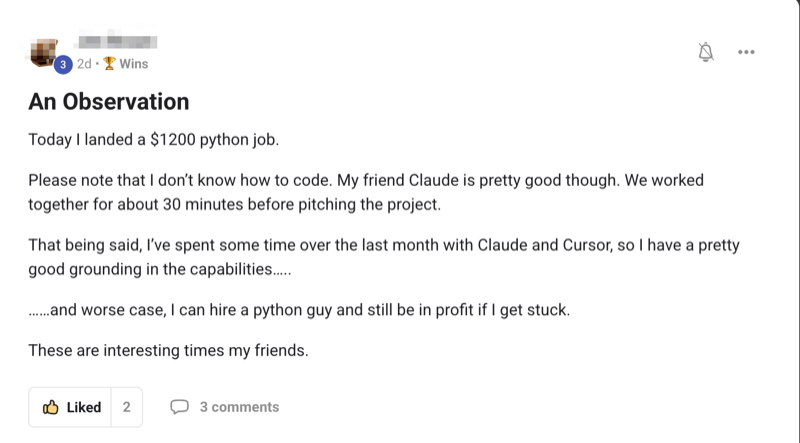
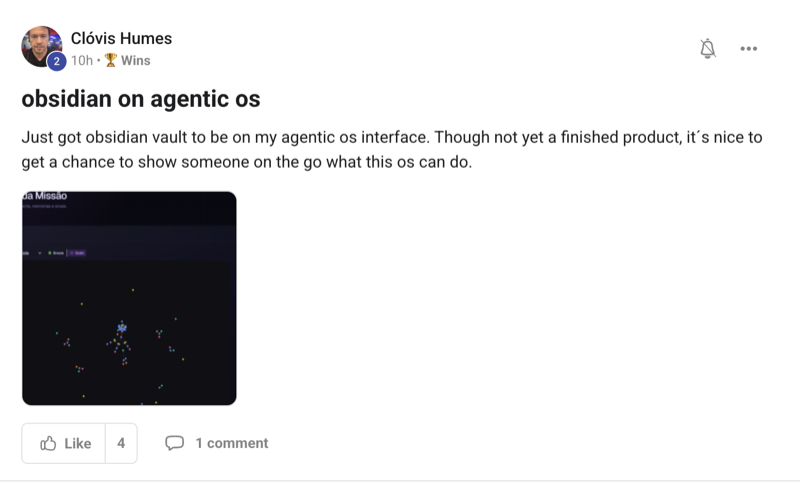
Real wins from inside the AI Profit Boardroom
See all 3,000+ members →



Ready To Join The #1 AI Community?
Join 3,600+ entrepreneurs inside the AI Profit Boardroom. Get 1,000+ plug-and-play AI agent workflows, daily coaching, and a community that holds you accountable.
Join The AI Community →7-Day No-Questions Refund • Cancel Anytime

Wait — before you leave
Get the entire AI Profit Stack for $59/mo locked
- 🎯 1,000+ done-for-you AI agent workflows
- 📅 5 live coaching calls per week with me
- 👥 3,000+ AI operators inside
- 🛡️ 7-day refund + 30-day ROI guarantee