The OpenClaw 2026.9.3 update shipped on 8 September 2026, and per the official release notes on GitHub the big four changes are: safer updates that rehearse core and plugin changes in an isolated candidate state before activation, a performance pass that preserves warm prompt caches and reuses worker builds between sessions, an optional team reports plugin covering GitHub and Discord, and native browser tabs on macOS. Add revocable public session sharing, meeting archives and a new Node requirement, and this is the meatiest release of the September line — worth ten minutes before you press update.
📺 Watch: I Tested OpenClaw 2.0 Browser Use… Here’s the Truth
🔥 Get the Agent OS as a free bonus: AI Profit Boardroom members get the full Agent OS zip, prompt libraries, daily tutorials and weekly live coaching calls. → Get inside · Want AI SEO help 1-on-1? Book a free SEO strategy session →
Quick context on where 2026.9.3 sits, because the cadence has been rapid: OpenClaw tags releases by date, and this is the third September cut — 2026.9.1 landed on 3 September and 2026.9.2 on 5 September, hard on the heels of the August line covered in the OpenClaw 2026.8.2 update write-up. Everything below is taken from the 2026.9.3 release notes themselves, published 8 September 2026, so you are reading what actually shipped rather than what the hype cycle says shipped.
What the OpenClaw 2026.9.3 Update Actually Ships
Ranked with the most useful change first, here is what the OpenClaw 2026.9.3 update delivers according to the release notes:
- Safer updates. The release rehearses core and plugin changes in an isolated candidate state before activation, can recover abandoned update records without disrupting healthy Gateways, and adds bounded repair phases for eligible failures using configured inference.
- Performance. The notes commit to preserving warm prompt caches, reducing unnecessary work during cold session updates and memory search, and reusing worker builds between sessions.
- Team reports plugin. An optional plugin produces authenticated daily, weekly and monthly GitHub reports plus digests of explicitly selected Discord sources, with stored history, optional summaries, people timelines and calendars.
- Native Mac browser tabs. WebKit tabs open external links inside the Browser panel with annotation and inspect capture; tabs belong to their window and survive chat switches.
- Session transcript sharing. You can explicitly publish a revocable read-only view of a session's existing and future conversation text, accessible to anyone with its public link — with tools, reasoning, files and images omitted.
- Meeting archives. Browse paginated saved notes, search transcripts, export complete Markdown or JSONL archives, and edit capture sources.
- Provider account management. Connected accounts and account priority are now managed directly in Models settings.
Safer Updates Change the Risk Maths on 2026.9.3
Three releases in eight days is exactly the cadence that makes operators nervous about updating at all, which is why the safer-updates work is the right headline feature. Rehearsing core and plugin changes in an isolated candidate state before activation means a bad update gets caught before it takes your Gateway down, rather than after; recovery of abandoned update records means a previously interrupted update no longer leaves wreckage that blocks the next one; and the bounded repair phases give eligible failures a constrained, automated path back to healthy instead of a support thread. If you have been deliberately sitting one or two releases behind as insurance, this release is aimed squarely at removing your reason for doing that.
If you want an agent stack that earns while you sleep — and update days that do not eat your mornings — check out the AI Profit Boardroom → get the full OpenClaw operator playbook. Want 1-on-1 help with your AI SEO setup instead? Book a free SEO strategy session and get a route map for your business.
Team Reports and Session Sharing: OpenClaw Gets More Shareable
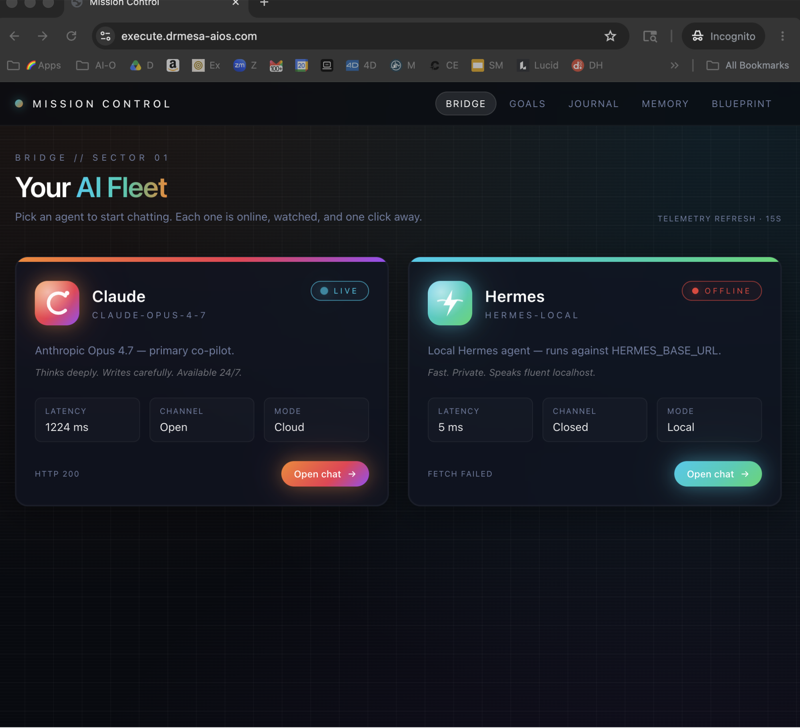
The team reports plugin is the most business-relevant addition in 2026.9.3. Per the notes it is optional, and once enabled it produces authenticated daily, weekly and monthly GitHub reports along with explicitly selected Discord sources — with stored history, optional summaries, people timelines and calendars. In practice that turns OpenClaw from a tool you watch into a tool that reports to you on a schedule, which matters most if you run agents across a team or manage client work. It slots neatly alongside the live ops view covered in the OpenClaw Mission Control guide: the dashboard is what you look at while things run, the reports are what you read afterwards, and the stored history pairs naturally with the long-running knowledge angle from the memory persistence write-up.
Session transcript sharing solves a different, long-standing awkwardness: showing someone what an agent session actually did. You can now explicitly publish a revocable read-only view of a session's conversation text — existing and future — to anyone with the public link, while tools, reasoning, files and images stay private. The design choices are sensible: sharing is explicit rather than default, revocable rather than permanent, and text-only rather than everything. For coaching calls, client demos and community troubleshooting threads, that combination is exactly what you want, and the meeting archives — with paginated notes, transcript search and full Markdown or JSONL export — round out the same theme of getting work out of the session and into a shareable record.
Mac Browser Tabs and the 2026.9.3 Performance Pass
On macOS, the desktop experience takes a real step up: native WebKit browser tabs now open external links inside the Browser panel, with annotation and inspect capture available, and the notes are specific that Mac tabs belong to their window and survive chat switches. If you have followed the desktop story since the app went cross-platform — the OpenClaw desktop app guide covers that arc — this is the release where the Mac build stops bouncing you out to an external browser mid-research.
The performance work is quieter but compounds daily: preserved warm prompt caches mean repeated context stops being re-paid for, cold session updates and memory search drop unnecessary work, and worker builds get reused between sessions. On a busy Gateway, cache and build reuse translate directly into lower latency and lower spend — the kind of change nobody screenshots but everyone feels by the end of the week.
📺 Watch: OpenClaw 2.0 Just Changed AI Agents!
Breaking Changes: Check Node Before You Update
The 2026.9.3 update carries real breaking changes, and the release notes are explicit about them. The runtime floor moves to Node 24.16.0 or newer on the 24 line, or Node 26.1.0 or newer with 26 recommended — check your version before updating, because this is the change most likely to bite self-hosted setups. Developers building against the SDK face import migrations across execution-policy, approval and alias imports, and search callbacks now read bounded text from the details content field rather than the old truncation field. The structural change to note even if you never touch the SDK: Workshop skills replace workspace ownership with one persistent agent-owned collection, meaning skills now follow the agent across workspaces instead of living inside a single workspace. That is a better model, and Doctor can retire missing-draft suggestions safely under it — but if your mental model of where skills live dates from August, update it along with the software.
Should You Update to OpenClaw 2026.9.3?
Yes, once you have confirmed your Node version clears the new floor — and the release itself makes that yes easier to give than usual. The notes describe explicit migration support from 2026.9.2, and the whole safer-updates apparatus exists to make exactly this jump rehearsable and recoverable. The practical order: check Node, update, then go looking for the two features you will actually feel — the performance pass and, if you work with anyone else at all, the team reports plugin. If you are still back on the August line, read the 2026.8.1 update notes first so the September changes land in context, and if you want to compare experiences before jumping, the OpenClaw community round-up covers where operators actually discuss this stuff. For the bigger picture, the release fits a clear direction: OpenClaw keeps absorbing operator workflows — updating, reporting, sharing — into the product itself, the same systemising instinct behind the Agent OS approach to running agents. And if you are weighing OpenClaw against other agent stacks this month, the Goldie Bench write-up covers how the funnel benchmarks them side by side.
If you want to run OpenClaw like an operator — update-day checklists, agent squad templates and weekly live coaching included — check out the AI Profit Boardroom → get inside with 3,000+ AI operators. Rather talk it through first? Book a free SEO strategy session and get a 1-on-1 plan.