The new antigravity generative ui shipped in Antigravity 2.11.0 on 26 August 2026, and per the changelog it lets the agent render HTML artifacts inline in chat — meaning your AI no longer answers with a wall of text, it answers with a working, interactive tool: a chart, a calculator, a dashboard, built and displayed right inside the conversation. That is the headline, and in this post I will walk through exactly what the update contains, what it looked like when I pushed it hard on real business tasks, and why I think generative interfaces are the most commercially useful thing Google has added to Antigravity this year.
📺 Watch: New Antigravity Update is Scary Good!
🔥 Get the Agent OS as a free bonus: AI Profit Boardroom members get the full Agent OS zip, prompt libraries, daily tutorials and weekly live coaching calls. → Get inside
What Antigravity Generative UI Actually Does
According to the official changelog entry for 2.11.0, the core change is that generative UI now renders HTML artifacts inline in chat. Before this, an agent that built you a dashboard handed you a file; now the dashboard appears in the conversation itself, live and clickable. The changelog lists the supporting cast that makes this genuinely useful rather than a gimmick:
- Charting and maths support — per the changelog, generative UI widgets and artifact previews now support KaTeX maths formatting, Chart.js and Plotly charts. Ask for a revenue projection and you get an actual rendered chart, not a description of one.
- YAML frontmatter cards — markdown files and artifacts with YAML frontmatter now render it as a formatted metadata card instead of raw text.
- File inlining in rules — you can now reference and inline external files directly using the at-path syntax inside AGENTS.md and custom rule files, which quietly matters a lot for anyone maintaining a serious agent setup.
- Split terminals — the terminal panel gains side-by-side splitting via a dedicated button or keyboard shortcut.
The release also addressed around 30 bugs, including theme adaptation in generative UI widgets, authentication caching and notification handling — the sort of cleanup that tells you this feature area is now a priority, not an experiment.
Why This Update Matters For Making Money With Agents
Here is the shift in plain terms. Text output is something you read; generated UI is something you use — and something you can hand to a client. Since the update landed I have been generating one-off internal tools on demand: a content calendar widget, a keyword-grouping table with sortable columns, a margin calculator for a client call that afternoon. None of these existed as products. They were conjured, used, and thrown away — and that pattern, disposable software generated at the moment of need, is exactly where agentic tooling is heading.
It also stacks with what Google shipped the very next day. On 27 August the Antigravity team updated Teamwork, its multi-agent orchestration framework — I broke that down fully in my Google Antigravity Teamwork guide, and the pairing is the point: Teamwork gives you agents that work for hours or days, and generative UI gives them a way to present results as working tools rather than reports. A research team of agents that ends its run by handing you an interactive dashboard is a fundamentally different product from one that hands you a document.
Want my Antigravity workflows ready to import? Members of the AI Profit Boardroom get the full Agent OS zip with my Antigravity setups, 1,000+ agent workflows, daily tutorials and five live coaching calls a week. Get my dashboard-building prompts here.
How I Tested The Antigravity Generative UI Update
Every headline feature that enters my stack goes through Goldie Bench, our own testing suite for agent tooling, and this one got the full treatment. In our own testing I ran three classes of task: data visualisation from raw CSV-style input, single-purpose utility widgets, and small interactive mock-ups of the kind I would previously have built in a site builder. The pattern that emerged: the closer the request is to a well-known UI shape — a table, a chart, a form, a calculator — the more reliably the inline artifact comes out production-usable on the first attempt. Novel layouts take iteration, but iterating is conversational: you say what to change and watch the artifact update in place.
The Chart.js and Plotly support is the sleeper feature for my audience. Reporting is the most automatable deliverable in any agency relationship, and a rendered, interactive chart inside a conversation is a reporting artefact you can screenshot, export or rebuild live on a client call. If you sell SEO, ads or any numbers-driven service, this alone justifies the update.
📺 Watch: NEW Antigravity Updates are MIND BLOWING!
The Best Uses I Have Found So Far, Ranked
- Number 1 — client-facing calculators and widgets. Generate a bespoke ROI calculator during the sales call. This has the highest money-per-minute ratio of anything on this list, and it was barely possible before inline rendering.
- Number 2 — instant reporting dashboards. Paste raw numbers, ask for a Plotly dashboard, screenshot or present live. Pairs beautifully with the agent workflows in my Agent OS, where reporting agents already gather the data on a schedule.
- Number 3 — internal tools you would never commission. The margin calculators, the content scorers, the checklist apps. Too small to build, trivial to generate.
- Number 4 — prototyping before you brief a developer. A clickable mock-up in the chat beats a paragraph of description in a brief every single time.
- Number 5 — maths-heavy content. The KaTeX support renders formulae properly, which finally makes technical explainers readable straight out of the agent.
Setting It Up And Fitting It Into A Real Stack
If you already run Antigravity, 2.11.0 arrives through the normal update channel and generative UI works in ordinary chat — ask for an interactive artifact and watch what comes back. If you are new to the tool, my guide to vibe coding with Antigravity covers the basics, and my Remotion and Antigravity workflow shows what a full creative pipeline looks like inside it.
The honest caveats. First, inline artifacts are only as good as the data you feed them — a generated dashboard over made-up numbers is a pretty lie, so pipe in real inputs. Second, theme adaptation had rough edges before this release; the changelog says widget theming was among the 30 or so fixes, and in our own testing dark-mode rendering now behaves, but complex custom-styled artifacts still occasionally need a nudge. Third, generated one-off tools are disposable by design — anything a client will touch repeatedly still deserves a proper build.
Getting Reliable Results From Generative UI
A few working habits from my first week that will save you the trial and error. Describe the tool, not the layout: "a calculator that takes monthly spend and conversion rate and outputs break-even CPA" beats a paragraph about colours and columns, because the model already knows what a calculator looks like. Feed data in a structured shape — rows of values paste-in fine, and the Chart.js and Plotly support does the rest. Iterate in small steps: one change per message keeps the artifact stable, while a list of five changes at once occasionally regenerates the whole thing differently. And when an artifact is worth keeping, ask for it as a standalone file too — inline is for using, files are for shipping.
It is also worth saying what this is not. Generative UI does not replace a proper web build for anything customer-facing and permanent — it replaces the long tail of tools that were never going to get built at all. That distinction is where the money is: the marginal cost of an internal tool just went to near zero, so the sensible response is to generate ten of them and keep the two you actually use.
One more connection worth making: Antigravity is not the only place betting on agents that ship interfaces. Hermes added versioned artifact cards with sandboxed live preview to its desktop app in its own August releases — I covered that ecosystem in my Hermes and Antigravity comparison — and when two of the biggest agent platforms converge on the same feature in the same month, that is not coincidence, that is the roadmap. The agents you hire in 2027 will not send you text. They will send you software.
So the antigravity generative ui update earns its place in my daily stack: it turns the most common agent output — information — into the most valuable agent output — tools. Update, feed it real data, and start generating the utilities you have been putting off building.
Want to turn features like this into actual income? Join 3,000+ entrepreneurs inside the AI Profit Boardroom — the full Agent OS as a free bonus, 1,000+ done-for-you workflows, daily tutorials and weekly live coaching calls where we build this stuff together. Get inside and build your first client dashboard this week.
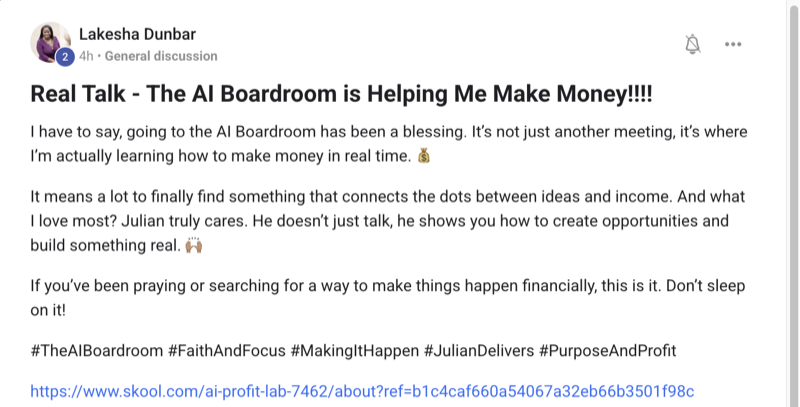
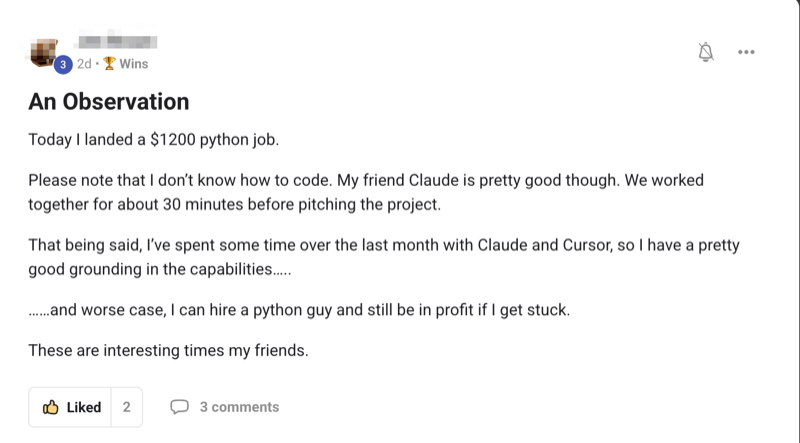
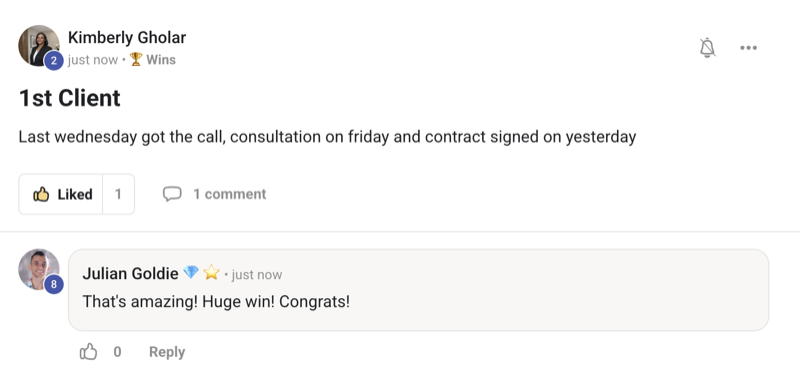
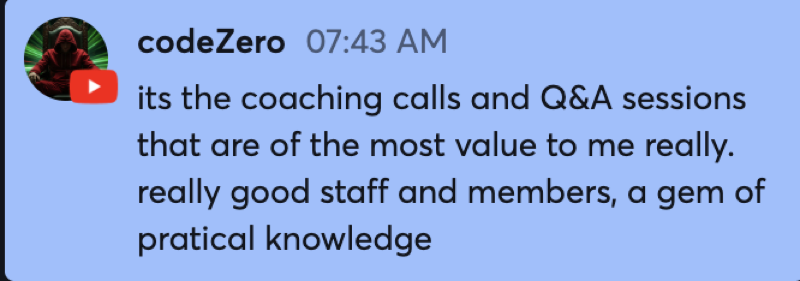
Real wins from inside the AI Profit Boardroom
See all 3,000+ members →


Ready To Join The #1 AI Community?
Join 3,600+ entrepreneurs inside the AI Profit Boardroom. Get 1,000+ plug-and-play AI agent workflows, daily coaching, and a community that holds you accountable.
Join The AI Community →7-Day No-Questions Refund • Cancel Anytime

Wait — before you leave
Get the entire AI Profit Stack for $59/mo locked
- 🎯 1,000+ done-for-you AI agent workflows
- 📅 5 live coaching calls per week with me
- 👥 3,000+ AI operators inside
- 🛡️ 7-day refund + 30-day ROI guarantee