Vibe coding in Antigravity IDE is the closest thing to having a full dev team that I've found as a solo founder, and after a few weeks of running it daily I'm convinced this is how solo operators are going to ship code in 2026. Google's new agent-first IDE doesn't just suggest code — it actually builds, tests, and verifies things end-to-end while you focus on what to build next.
This post breaks down the founder view of Antigravity. I'll cover how I'm shipping roughly 5x faster, what's worth building first, and where the public preview falls short so you don't get burned.
🔥 Want my full Antigravity playbook? AI Profit Boardroom has the full setup walkthrough plus weekly live coaching for AI-leveraged dev workflows. → Get the playbook
Why How To Vibe Code Antigravity Matters For Solo Founders
I've been a one-person band for most of my projects, which means dev work is either me coding at midnight or me waiting on a freelancer for two weeks. Antigravity collapses that cycle in three ways that genuinely matter.
The first is multi-agent parallelism. You can spawn multiple agents at once — one writing the UI, another writing tests, another fixing bugs — and they work concurrently. That gives you team-level output from a single person without hiring anyone.
The second is real browser integration. The agent doesn't just write code and hope it works. It opens a dev server, opens a browser, clicks through the app, takes screenshots, and verifies things actually behave correctly before handing back the work. The "looks fine in dev" trap is mostly gone.
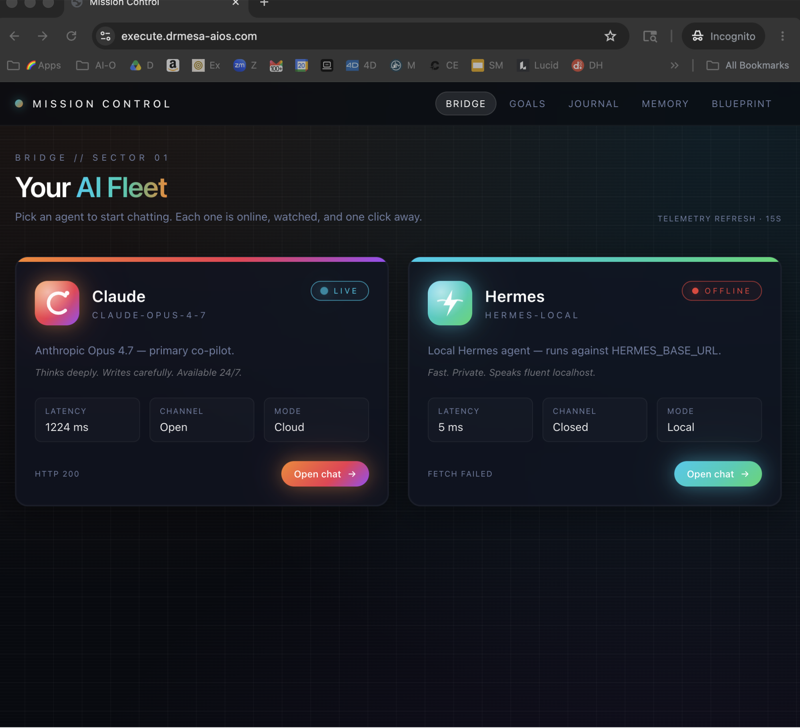
The third is the mission control view. You can see exactly what each agent is doing in real time and comment on its plan if something looks off. You manage agents the way a team lead manages developers, not the way most people use ChatGPT.
What Founders Should Build When They Vibe Code Antigravity
I've tested Antigravity on five different categories of work over the last few weeks, and these are the ones where it genuinely earns its place in the founder stack.
Landing pages are the obvious win — you can ship a new variant in 5 to 15 minutes from a single English description. MVP features are the bigger win because what used to take weeks now takes days, especially when you spawn parallel agents on different parts of the feature. Internal tools are surprisingly good too, because you don't care about polish for ops automation and the agents nail the functional side.
Marketing pages and full site sections work well for the same reason — agents are good at well-trodden patterns and a marketing site is mostly well-trodden patterns. Bug fix sprints are the unexpected favourite of mine: you spawn three agents, point them at the issue tracker, and let them attack the backlog while you do strategic work.
Watch The Walkthrough
For the broader AI agent context I'm running alongside Antigravity, this Hermes walkthrough is worth watching too — most founders pair an agent ops layer with the IDE for non-code work.
Founder Velocity Math
Before Antigravity, my realistic output as a non-full-time-coder was about one feature per week. With Antigravity running multi-agent workflows, that's gone to roughly 3-5 features per week depending on complexity. At my effective hourly rate that's £30,000 to £100,000 per year of additional output — from a free tool that took me 5 minutes to install.
The reason it works is simple: agents handle the tedious 80% (boilerplate, tests, browser verification) and I handle the 20% that actually requires founder judgement (what to build, how to position it, when to ship). That ratio used to be reversed.
How To Vibe Code Antigravity Setup Takes Five Minutes
Antigravity's onboarding is friendlier than most agent tools I've tried. You download the installer from their site, sign in with your Google account, and you're in. The Manager view (mission control) is where you'll spend most of your time as a founder, and the Editor view looks and behaves like VS Code if you need to drop into manual editing.
Once you're inside, spawning your first agent is just typing a plain-English task into the prompt box. I usually start new founders with something like "build me a simple landing page for [offer], with hero, three benefits, and a signup form" — it ships a working page in five minutes and gives you confidence the system actually works.
The most important habit to set up immediately is Git commits. Always commit before letting agents touch any code. If they break something — and they will, occasionally — you can roll back in seconds instead of losing hours. This is non-negotiable.
Daily How To Vibe Code Antigravity Use Cases I Run
There are three Antigravity routines I run almost every day, and they've replaced about half of what used to be my dev work.
The morning routine is a quick landing page or marketing variant. I describe what I want — usually for a campaign or a new offer test — and the agent ships a working page in 5 to 15 minutes while I'm doing other founder stuff. By 10am I've got an A/B variant live without ever opening a code editor manually.
The mid-day routine is feature additions to existing apps. "Add a referral mechanic to this signup flow" or "wire up Stripe for this offer" — these typically take 30 to 60 minutes with one or two agents on it. I review the artifacts the agent produces (task lists, screenshots, browser recordings) and either ship or comment back to refine.
The end-of-day routine is cleanup. I spawn a background agent to fix any failing tests, lint the codebase, and tidy up loose ends before I commit and ship for the day. It runs while I'm at dinner.
Cost For Founders Right Now
Antigravity is free during the public preview, which is rare for a tool this powerful. Eventually Google will introduce pricing — likely a tiered model with a free tier and per-token or per-seat paid tiers — but for now you're getting team-level dev leverage at zero marginal cost. That's a window worth exploiting.
Which Models To Pick
The default in Antigravity is Gemini 3 Pro, which is genuinely strong for general agent work. For reasoning-heavy tasks (complex refactors, multi-step debugging, intricate logic) I switch to Claude Sonnet 4.8 — see my Sonnet 4.8 review for why it's the current default in my agent stack. For privacy-sensitive client work where data can't leave my infrastructure, GPoss is the open-source option that lets you self-host.
For most founder tasks, the default Gemini 3 Pro is plenty. Don't over-engineer the model choice on day one.
Founder Mistakes I See
Three mistakes I see founders make repeatedly with Antigravity. The first is trusting agent output blindly — always review the artifacts before merging anything important, even when it looks polished. The second is skipping Git commits before agents start work. You will regret this the first time an agent goes off the rails. The third is treating public preview as production-ready. Test in staging or a sandbox first, especially for anything customer-facing or revenue-critical.
Multi-Agent Workflows Worth Copying
The most powerful pattern I've found is the parallel-build pipeline for MVPs. When I'm starting a new product, I'll spawn three agents simultaneously: Agent A handles auth and user flow, Agent B builds the main feature logic, Agent C ships the landing page. They work in parallel and I integrate the pieces at the end of the session.
What used to be a two-week sprint compresses into one or two days of agent management plus my own integration work. The trick is giving each agent a tightly scoped piece of the project so their work doesn't conflict — you handle the architecture, they handle execution.
When Antigravity Helps Founders Most
Antigravity is best when you need MVP velocity and don't have a co-founder or a dev team. Solo founders building V1 of a product see the biggest lift, often shipping in a week what would have taken a month manually. Marketing site agility is the second-best fit — you can A/B test variants daily because the marginal cost of a new variant is roughly zero. And solo developers who can't afford to hire get effectively 1-2 extra junior devs worth of capacity for free.
When Antigravity Isn't Enough
There are real limits to be honest about. Enterprise-grade complex systems still need human architects making the high-level calls — agents are great at execution, weak at novel architecture. Mission-critical security needs human audit; never ship security-related code without a thorough manual review. And highly novel patterns or unusual tech stacks see worse agent performance because the underlying models are trained on common patterns.
Pairing Antigravity With The Rest Of The Founder AI Stack
Antigravity owns the code surface, but a complete founder stack needs three more layers. I run Hermes for non-code agent ops (research, content, customer comms) — see Hermes AI Agent Framework 2026 for the setup. Sonnet 4.8 is my default LLM for content generation and reasoning across the stack. And OMI Obsidian is my second brain for capturing ideas, decisions, and meeting notes that feed back into what I prompt the agents to build.
Together those four tools form what I'd consider the minimum viable AI-leveraged founder stack in 2026.
ROI Math For The Typical Founder
Run the numbers. Before Antigravity, you ship roughly one feature per week. After, you ship 3-5. If you value your founder time at £200/hour (which most founders should — you're allocating capital, not coding), the additional output is worth £30,000 to £100,000 per year. The tool is currently free.
That's the highest-leverage free thing I've added to my stack this year, full stop.
Daily Founder Routine With Antigravity
Here's what a real day looks like for me. At 7am I spawn the morning agents on whatever I queued up overnight — usually one landing page variant and one feature add. By 9am I review the artifacts and comment back if anything's off. Mid-morning is for coffee and Twitter while agents work. At 1pm I review the afternoon agent outputs, integrate, and ship. The afternoon is strategic work — sales, partnerships, or product thinking. By 5pm I commit, plan tomorrow's queue, and sign off.
Total founder time spent actively coding is around 30 minutes a day, which is wild given the output is 3-5x what it used to be when I coded for hours.
What's Actually Production-Ready Vs What's Bumpy
Public preview means some sharp edges. The good news is most agent flows work reliably — multi-agent spawning, browser integration, and basic builds are all solid. What's bumpy is the occasional crash, rate limits during heavy use, and edge cases around login or specific stacks (Mac users have reported some auth issues).
For founder use I'd say: ship MVP work and marketing pages on Antigravity comfortably, but hold prod-critical security or finance work for human review. As the platform matures past public preview, that line will move.
🚀 Want hands-on founder coaching? AI Profit Boardroom has weekly live coaching where I walk through founder AI stacks on screen-share. → Join here
Founder Wins Worth Stealing
Three patterns I keep seeing among founders running Antigravity well. First, shipping a complete MVP in week one — solo founders going from idea to working product faster than I'd have thought possible. Second, daily landing page testing — running A/B/C variants every day because the cost of a new variant is roughly zero. Third, clearing bug backlogs in days instead of months by spawning parallel agents on the issue tracker.
Antigravity Vs Other AI Coding Tools
For founder use specifically, Antigravity's edge is multi-agent and visual mission control. Cursor is excellent for solo dev productivity but doesn't have the parallel-agent setup. Claude Code is terminal-first and great if you live in the CLI. GitHub Copilot is auto-complete-tier and useful but not in the same category as agent-first IDEs.
For solo founders shipping product, my pick is Antigravity, with Cursor as a backup if you prefer single-agent flow. Most pros run more than one of these tools.
When To Skip Antigravity
If you don't ship code at all, or you ship code rarely, the setup investment isn't worth it. If you have a senior dev team already, they'll likely prefer Cursor or their existing IDE. For everyone else who actually ships code or wants to ship more code — install it and try it. It's free and the worst case is a few hours lost.
FAQ — Vibe Coding In Antigravity For Founders
Is Antigravity really free right now?
Yes — public preview is free. Pricing will land eventually but for now you're getting genuine multi-agent dev leverage at zero cost.
Is it the best choice for solo founders?
For multi-agent parallel work, yes. For pure solo single-agent dev workflow, Cursor and Antigravity are roughly tied — try both for a week and see which one fits your brain.
Is Antigravity production-ready?
Not quite — it's still public preview. I ship MVP and marketing work on it comfortably, but hold prod-critical security or finance code for human review until it matures past preview.
Should I use Git from day one?
Always. This is non-negotiable. Commit before agents touch your codebase or you'll lose work the first time something goes wrong.
Worth installing today?
Yes. The 5-minute setup pays back in your first day of use, even with the public preview rough edges.
Should I upgrade to AI Profit Boardroom for help?
If you're an AI-leveraged founder serious about building this stack, yes — the weekly live coaching alone has saved members weeks of trial and error. The 7-day refund and 30-day ROI guarantee make it risk-free to try.
Latest Updates
- Hermes Agent Goals (NEW Persistent Update FREE) — autonomous agent loops worth pairing with Antigravity.
- Sonnet 4.8 Review — the model I default to for reasoning-heavy tasks inside Antigravity.
- 🌐 Read on bestaiagentcommunity.com — sister-site take on the same topic.
Also On Our Network
- 🌐 Read on bestaiagentcommunity.com
- 🌐 Read on juliangoldieaiautomation.com
- 🌐 Read on aisuccesslabjuliangoldie.com
- 🌐 Read on aimoneylabjuliangoldie.com
Related Reading
- Sonnet 4.8 Review — the model that powers most of my reasoning-heavy agent work.
- Claude Code SEO Agent — Claude Code paired with SEO automation.
- Hermes Agent Goals — the autonomous loops that complement Antigravity's agent flows.
📺 Video notes + links to the tools 👉
🎥 Learn how I make these videos 👉
🆓 Get a FREE AI Course + Community + 1,000 AI Agents 👉
For solo founders, vibe coding in Antigravity IDE is the velocity unlock of 2026 — install it today, ship your first agent-built feature this week, and you'll wonder how you ever shipped without it.