Moonshot AI has shipped a desktop version of Kimi Code, and it turns the company's terminal coding agent into a tool you can run without touching a command line: the Kimi Code Desktop release, reported on 21 September 2026, puts the same agent that powers the Kimi Code CLI into a desktop app, driven by Moonshot's K3 model with support for up to 1 million context tokens. Moonshot's own product page now states that Kimi Code is "available on desktop, CLI, and IDE plugins — engineered to drop into any dev workflow", which means the agent that used to live only in a terminal window is now a first-class desktop citizen. If you have been waiting for a reason to try Moonshot's coding stack, this is the most accessible entry point the company has shipped so far.
🔥 Get the Agent OS as a free bonus: AI Profit Boardroom members get the full Agent OS zip, prompt libraries, daily tutorials and weekly live coaching calls. → Get inside · Want AI SEO help 1-on-1? Book a free SEO strategy session →
Everything in this article comes from Moonshot's official Kimi Code page and the MoonshotAI kimi-code GitHub repository, both checked on 21 September 2026, plus the release coverage published the same day. Where a claim is Moonshot's own wording, it is quoted so you can see exactly what the company promises versus what is verifiable.
Kimi Code Desktop: What Actually Shipped
Kimi Code started life as a command-line agent. Moonshot's GitHub repository describes it as "an AI coding agent that runs in your terminal — it can read and edit code, run shell commands, search files, fetch web pages, and choose the next step based on the feedback it receives." That feedback loop is the important part: rather than generating one answer and stopping, the agent runs your tests, reads the errors, and decides what to do next.
The desktop release takes that same agent core out of the terminal. The 21 September 2026 coverage headlined it plainly: Moonshot AI ships Kimi Code Desktop with a 1M-token AI coding agent. On the official Kimi Code page, Moonshot lists the current surfaces as desktop, CLI and IDE plugins, all built to "get programming tasks done in record time". For anyone who found terminal-only agents intimidating, the desktop app removes the biggest adoption barrier Kimi Code had.
According to Moonshot's product page, the agent can do four things regardless of which surface you use: write and edit code (implement features, fix bugs, refactor), understand your codebase (search, read and analyse existing code), run commands (execute tests, builds and scripts, then verify the results), and look things up on the web when it needs documentation. That last one matters more than it sounds — an agent that can read a library's real docs mid-task makes fewer confident mistakes.
The K3 Engine and the 1M-Token Context
The engine behind the release is Moonshot's K3 model. The official page states "K3 is now available. Supports up to 1M context tokens" — and notes that K3 access requires a paid tier, with the page specifying that K3 is "available on plans and above". In practice, a million tokens of context means the agent can hold a genuinely large codebase in view at once instead of working through a keyhole, which is exactly the failure mode that ruins long refactors in smaller-context tools.
Moonshot's models have been building a reputation for agentic work specifically. The Kimi 2.6 benchmark breakdown on this site covers how an earlier Kimi generation stacked up against Claude, GPT and Gemini, and why it became the value pick for autonomous tasks — useful background for judging whether the K3-powered desktop app deserves a slot in your rotation. The Kimi K2.6 agent swarms guide shows what people were already building with Moonshot models before this release, and the OpenClaw plus Kimi K2.6 setup covers running a Kimi model inside a different agent harness entirely.
If you want a working AI coding stack without spending months on trial and error, the AI Profit Boardroom gives you the exact agent setups, prompt libraries and weekly live calls to get there faster. Prefer a 1-on-1 plan for your SEO and content business first? Book a free SEO strategy session and map it out.
How to Get Kimi Code: Desktop, CLI and IDE Plugins
The desktop app is distributed through Moonshot's Kimi Code page at kimi.com/code, which is also where the plan requirements are spelled out. For the CLI, the GitHub repository documents a one-line install: a curl script fetched from code.kimi.com on macOS and Linux, or a PowerShell one-liner on Windows, with Git for Windows required on that platform. The CLI ships as a single binary with fast startup, and the repository notes it works with "Moonshot AI's Kimi models" or "other compatible providers" — so you are not hard-locked to one vendor at the runtime level.
Setup requires either an OAuth sign-in or a Moonshot AI Open Platform API key. Beyond the basics, the repository lists a purpose-built terminal UI for agent sessions, video input capability, Model Context Protocol (MCP) configuration, a plugin ecosystem with subagents, and editor integration through the Agent Client Protocol (ACP). MCP support is the quiet headline for automation builders: it means the same connectors you use elsewhere can plug into Kimi Code without custom glue.
If you prefer working inside an editor, the IDE plugins cover the third surface. Between the three, the sensible on-ramp is this: try the desktop app to evaluate the agent's judgement, move to the CLI once you trust it with real tasks, and wire up the IDE plugin only if you live in your editor all day.
How Kimi Code Desktop Compares With the Rest of Your Stack
The obvious comparison is Claude Code, which remains the reference point for terminal coding agents — the Claude Code free access guide covers what you can do there without paying, which is the right baseline before adding another subscription. For the harness-versus-harness question, the DeepSeek Harness vs Claude Code comparison walks through how two very different philosophies handle the same jobs, and most of that framing applies directly when you evaluate Kimi Code Desktop: judge the agent on whether it verifies its own work, not on demo videos.
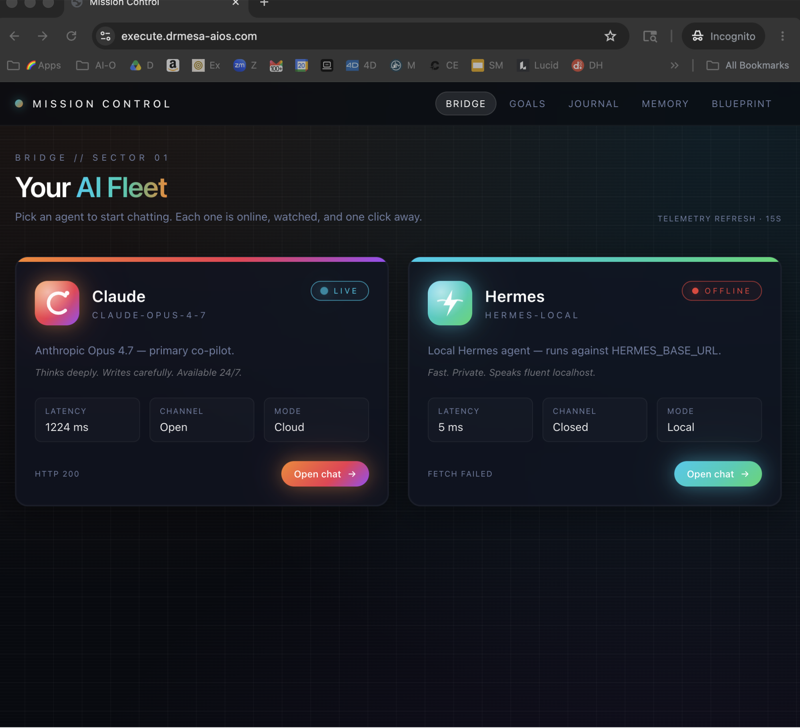
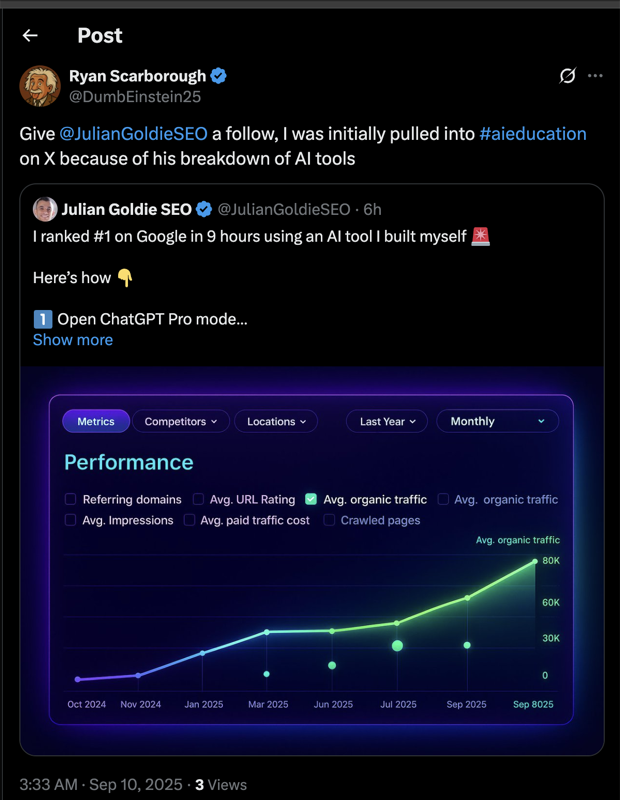
Desktop agent apps are also becoming a category of their own — the Hermes Desktop app guide covers the strongest general-purpose example, where the agent handles far more than code. Kimi Code Desktop is narrower by design: it is a coding specialist, and that focus is a feature rather than a limitation if programming tasks are what you actually need done. For how different model brains compare when you put them through identical hands-on tests, the Goldie Bench write-up covers the testing approach used across this site.
One honest caveat: a desktop wrapper does not change the economics. K3 sits behind Moonshot's paid plans, so before committing, check the plan tier against how many agent hours you genuinely run per week. If your current tool already clears your task list, a 1M-token context is a nice-to-have, not a reason to switch.
Who Should Actually Care About This Release
Three groups. First, anyone who bounced off terminal agents: the desktop app is the lowest-friction way yet to test whether Moonshot's agent judgement fits your work. Second, operators already paying for a Kimi plan: the desktop app extends what that subscription covers, and ignoring it means leaving paid-for capability unused. Third, builders assembling an Agent OS style stack, where a coding specialist slots in alongside general-purpose agents — a dedicated code agent that can run and verify its own changes is usually the first specialist worth adding.
The pattern behind this release is bigger than one app. Every serious agent vendor is converging on the same three surfaces — terminal, desktop, editor — because that is where real work happens. Moonshot reaching all three with a single agent core, a million tokens of context and MCP support means the Chinese labs are no longer just competing on model benchmarks; they are competing on workflow, which is where switching decisions actually get made.
The sensible next step is a small one: pick a real task from your backlog — a refactor you have been avoiding, a test suite that needs writing — and give Kimi Code Desktop thirty minutes against it. An agent either earns a place in your stack on real work or it does not, and no launch coverage can make that call for you.
If you want to turn agents like this into actual income — client work, products, automated content systems — check out the AI Profit Boardroom for the full playbooks, live coaching and a community already doing it. And if you want a personal roadmap first, book a free SEO strategy session — bring your niche, leave with a plan.